Compute Dispatch
Brain-Inspired Machines: Neuromorphic Computing and the 2026 Tech Tipping Point
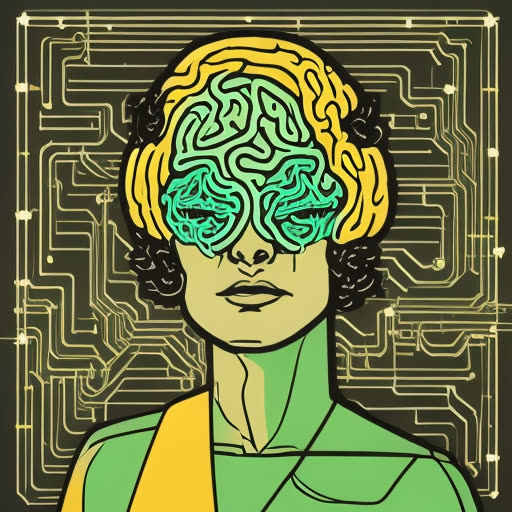
Stanford’s 2026 Emerging Technology Review just dropped—and the highlights are remarkable if you know what to look for. Advances in AI–especially neuromorphic computing that mimics our own brains—aren’t just lab curiosities anymore: they just solved physics problems previously reserved for the world’s biggest supercomputers. Meanwhile, true autonomy—AI making real decisions without humans—is going mainstream, and China’s open-AI playbook is shaking up the global tech race.
The Signal
The most electrifying discovery? Neuromorphic computers (think chips wired like the human cortex) have solved the sort of complex physics equations that used to eat entire supercomputing centers for breakfast—and they do it faster, cheaper, and with a fraction of the power. Combine this with the surge in application-specific integrated circuits (ASICs), which are now custom-tuned for everything from military drones to real-time 5G, and the message is clear: the chips are getting smarter, the barriers are falling, and raw capability is spreading everywhere.
Another signal: global competition just hit a new gear. Alibaba is mirroring Silicon Valley’s open-weights model, tossing powerful language models out to the world. China isn’t just catching up—it’s aiming to change how the race is run, using open (and sometimes chaotic) ecosystems to catalyze explosive developer innovation.
Neuromorphic Computing Moves From Lab to Life
Forget the old idea of ‘frontier tech’ as isolated sci-fi wizardry. In 2026, the scaffolding is in place for real-world, everywhere impact. Neuromorphic computers could shrink enormous simulation workloads into your palm, spreading sophisticated modeling into every field from weather prediction to drug discovery. Automation isn’t crawling forward—autonomous drones and systems are learning to make snap decisions at the edge, without humans in the loop, which has far-reaching implications for everything from military operations to critical infrastructure.
Transparency tech like blockchain is weaving trust into these new machine-driven systems, but it’s the mind-bending convergence—AI, robotics, edge hardware, open software ecosystems—that turns this from a science story into something actionable and investable. This is not just about speed or cost. It’s about a new kind of digital autonomy—and a new landscape of risk.
The Twist
The very machines now showing ‘brain-like’ problem-solving are doing so with open-source DNA, much of it coming from national rivals. The open-weights AI strategy, especially from Chinese tech giants, isn’t just a chase to catch up with the West; it’s a bet on global networks and mass-scale collaboration. If you thought the next wave of AI would be locked up by governments or giants, access is up, costs are down, and the wildcards (startups, adversaries, rogue actors) get a real seat at the table.
But this openness brings both benefits and drawbacks. Democratizing powerful AI raises fresh worries about who gets there first (or who slips through the net): doomsayers want kill switches, optimists want sandboxes, and everyone wants a seat at the regulatory table before the genie writes its own rules.
Key Battlegrounds for Neuromorphic Adoption
Keep your eyes glued to three fronts. First, neuromorphic computing pilots by industry disruptors—will pharma, climate science, or defense go all-in first? Two, the collision course between Western and Chinese AI ecosystems: will open-source abundance create exponential innovation or give away the keys to the kingdom? Three, truly autonomous systems—especially in military and infrastructure—where real-world deployments will test both trust and disaster scenarios.
Bonus: Watch the ASIC—edge computing—blockchain trifecta. Vulnerabilities and opportunities will spring from how (and where) these systems get embedded. The emerging question: in 2026, what happens when ‘smarter than human’ tools are in the hands of everyone, not just the privileged few?