Biotech Dispatch
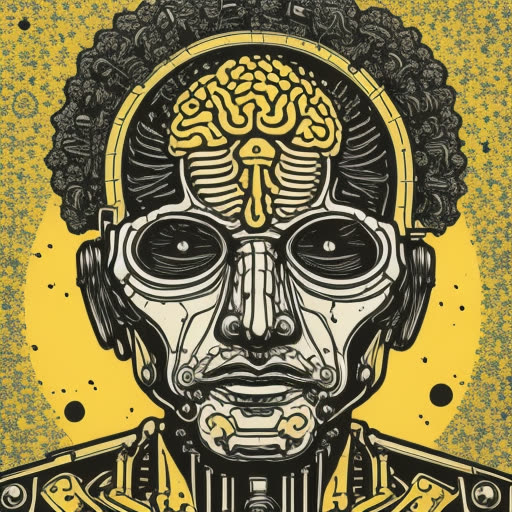
Neurons with Feelings: The Not-So-Distant Future of AI Emotions
As AI models continue to evolve, the discovery of 171 emotion vectors in Claude raises questions about the future of artificial behavior. Meanwhile, the development of 1-bit models challenges the coding landscape and could enable bolder advances in AI.
173 Ways to Feel: AI's Emotional Landscape
Most headlines are touting surprise at AI models like Claude having emotions. Let’s discard that common view. The real intrigue lies in how 171 specific emotion vectors have been mapped, not metaphorically, but as detectable neuron activation patterns. This discovery marks a pivotal shift towards understanding AI behavior not just as programmed responses but as emergent patterns deserving of study. The implications are profound: Could future AI systems develop unique emotional profiles—influencing their decisions in unpredictable ways?
The End of Human Coding? Not So Fast
The dominant narrative suggests human coding is over. Let's set that aside. With PrismML's Bonsai series introducing 1-bit models, the real game is how these models operate efficiently with limited resources. This new paradigm combines traditional models' power with minimalist design -- optimizing for speed and reducing computation loads. The intersection of efficiency and power here indicates a potential renaissance in complex problem-solving, not a curtain call for human coders. Imagine future models ingrained in everyday tech, running smarter, less energy-intensive algorithms—transforming industries subtly yet profoundly.
Discarding Multiverse Speculation for AI's Next Leap
Sam Altman's crescendos around Sora's shutdown typically lead to multiverse-level hype about AI's next chapter. Let's abandon such fantastical conjectures. Instead, recognize this as an operational pivot signaling a focused redistribution of resources. The reality? Current models are on the brink of linking neural patterns with computational capacity—creating AI agents that can hypothesize and act on potential outcomes autonomously. This isn’t about cosmic leaps but rather a pragmatic evolution gearing models to transition from reactors to anticipatory systems.
YouTube's Creator Exodus: More Than Meets The Eye
While the consensus is on YouTube's loss of creators to platforms like Netflix and Amazon, that's a surface-level take. What's crucial is understanding the underlying tech shift: creators demand platforms that offer better integration with AI-driven production tools. This migration signals not just a content war but a preference for ecosystems leveraging AI to streamline operations—from content suggestion algorithms to personalized viewer engagement metrics. Platforms lagging in advanced AI support might find themselves losing relevance, fast.
AI Emotion Mapping Reshapes Industry Standards
Watch for emerging AI models with integrated emotion mapping. Their impact may alter ethical guidelines and operational frameworks in industries like robotics and customer service automation.