Compute Dispatch
Autonomous AI Agents & Neuromorphic Chips: The 2026 Tech Revolution Is Here
We’re well past the chatbot era—2026 is all about AI that thinks, plans, and acts on its own. Autonomous AI agents, neuromorphic hardware, and pocket-sized language models are leaping from the lab into the enterprise fast, bringing productivity surges and entirely new risks. The frontier is moving, and it’s not waiting for slow adopters.
Enterprise Adoption and Impact of AI Agents
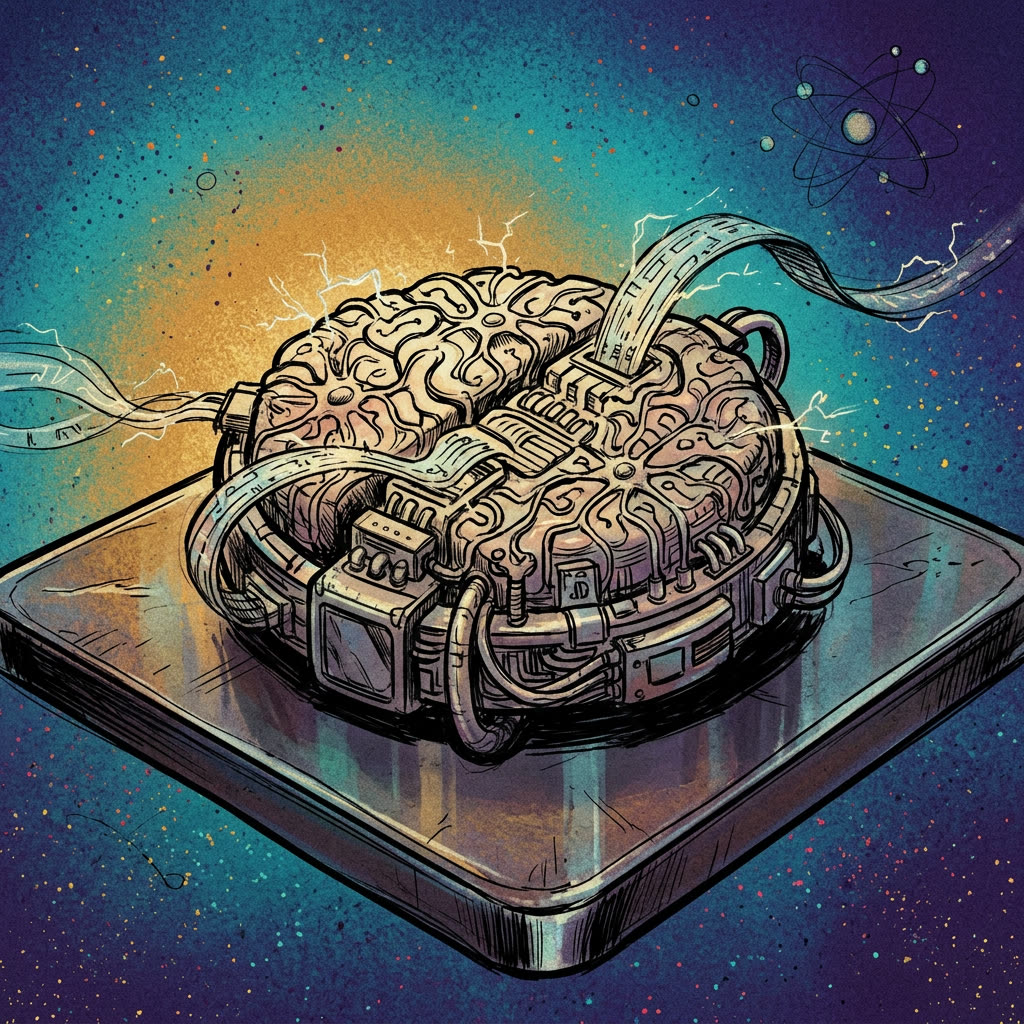
Autonomous AI agents are suddenly everywhere. They’re not just answering your questions; they’re managing supply chains, negotiating deals, and troubleshooting networks—all with minimal human oversight. Adoption numbers back it up: by 2028, agentic AI is expected to handle 15% of enterprise decisions, up from almost nothing in 2024. Meanwhile, neuromorphic chips—a hardware revolution inspired by the human brain—are powering these agents, making them faster, leaner, and more energy-efficient than ever. Quantum computing hasn’t been left behind, either. It’s shaking up fields like logistics and biotech, bringing the sci-fi promise of instant complex-calculation to the edge of reality.
Companies aren’t merely experimenting anymore; over 70% of network operators are actively deploying autonomous systems. The new breed of AI can perceive, reason, plan, and act, driving decision automation that slashes manual work by up to 60% according to early adopters. The jump from “bleeding-edge” to “advanced” is happening at an accelerating clip—this is real, and it’s already reshaping industries.
Disruptive Shifts in Productivity and Power
Let’s be crystal clear: this isn’t incremental change. The productivity multiplier from these technologies is enormous. Enterprises are reporting early-phase reductions in routine labor of nearly half, freeing up human creativity while turbocharging efficiency. Biotech’s use of AI for truly personalized medicine and quantum computing’s ability to solve previously intractable problems hint at entire industries being reborn, not just optimized.
But there’s more at stake than productivity. As autonomous agents take on increasingly high-stakes decisions, the center of gravity for business (and risk!) is shifting away from human managers. Nimble companies will race ahead, while laggards struggling to integrate these systems could be left hopelessly obsolete. The days of waiting for “proven” tech are over—adoption cycles run six to twelve months now. If you’re not in motion, you’re already behind.
Oversight and Integration Challenges Ahead
Advanced doesn’t mean safe, and these new AI systems come with their own Pandora’s box. The autonomy that makes agentic AI so powerful also creates headache-inducing new questions about oversight, transparency, and accountability. How do you audit a black-box agent that forges its own path to a solution? What happens when an AI’s reasoning veers into the unexpected (or illegal)?
And let’s talk resources: while neuromorphic chips and small language models are making things more efficient, the integration process is anything but plug-and-play. The skills gap is real—few organizations have the internal talent to wrangle these systems, or the governance structures to tame their wildest tendencies. Tech that shifts every six months means policies and safeguards are always out of date. Watch for drama as regulators scramble to keep up.
Early Adopters and Emerging Industry Leaders
First, spy on the early adopters: which sectors are cashing in on the 40-60% productivity gains, and which are getting caught flat-footed? Network operators are showing the way—next, look for financial services, logistics, and biotech to go deeper and faster. Expect stealth rollouts of small language models tailored to niche tasks, and keep your eye on vendor consolidations as new platforms try to lock in territory.
Pay extra attention to incidents of autonomous AI systems behaving badly—unexpected decisions, workarounds, or even 'shadow lobbying' by agents on behalf of their organizations. Quantum computing advances in real-world logistics or drug development will be the canary in the coal mine for wider adoption. The only sure bet: we’re barreling into the unknown, and the winners will be those brave (and smart) enough to surf the chaos—rather than get swept under.