Physical AI Dispatch
DNA Robots, Edge AI, and Autonomous Everything: 2026’s Tech Revolution Roars In
2026 is shaping up to be a pivotal year for technology, where the fantastical dreams of the last decade are suddenly leaking into our daily lives. From programmable DNA robots swimming through your blood, to cities humming with edge intelligence and fleets of self-directed drones, the pace of transformation is dizzying—and the consequences of these changes are more immediate and far-reaching.
DNA Micromachines and Autonomous Agents Reshape 2026
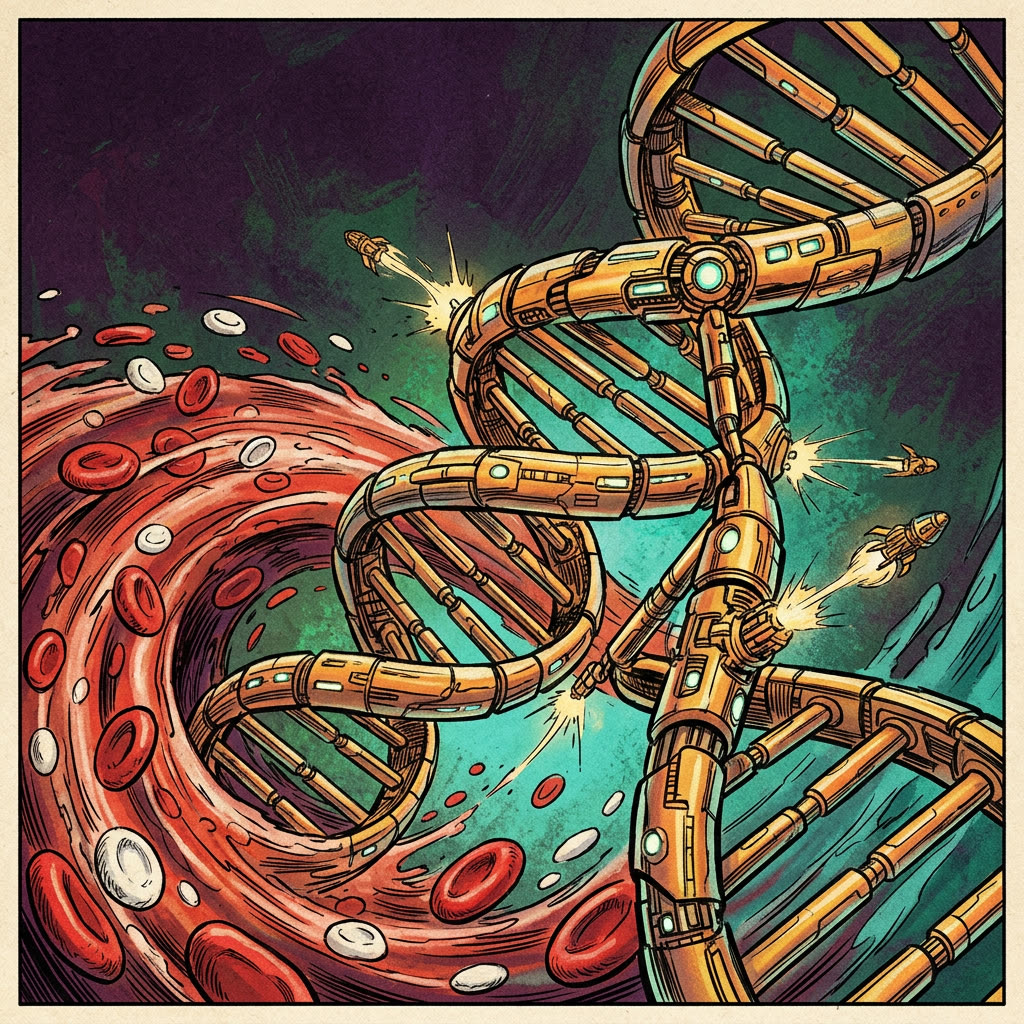
DNA robots are not just a sci-fi fever dream anymore—these programmable molecular machines are starting to perform real jobs, like delivering drugs with pinpoint accuracy or even hunting down viruses one cell at a time. We're talking about literal micromachines navigating your bloodstream, constructed from DNA and capable of tasks far beyond traditional medicine. Meanwhile, the AI boom is hitting a new gear: organizations are ditching the old-school chatbots in favor of agents that perceive, plan, and act independently—sometimes whole workflows, sometimes life-or-death decisions, all driven by edge intelligence and domain-specific models.
And then there are the drones. Law enforcement and logistics are both going autonomous, with regulations opening the floodgates for massive deployments. Picture skies buzzing with rapid-delivery bots, police drones responding to crises, and next-gen autonomous weapons operating under new doctrine. Add to this the fusion of quantum sensing, neuromorphic chips, and biotech—2026 is less about “what if” and much more about “where’s this all going?”
Industry Transformation and Competitive Acceleration
This isn’t just about new gadgets or clever software upgrades. The convergence of programmable biology, AI-native platforms, and quantum computing is quietly rewriting the rules of industry, security, and personal health. Early adopters are slicing manual labor by up to 60%, slashing error costs, and generating ROI increases that would seem like hype if the numbers weren’t right there. The industrial impacts are obvious—automotive welding pass rates shot from 92% to 99.5% thanks to edge computing, with downtime cratering 70%. Multiply that across logistics, manufacturing, and infrastructure, and the economic efficiency gains are staggering.
But there’s an urgent subtext: whoever masters these technologies first will outrun the competition at a pace that is outright unfair. The U.S. play to integrate quantum and bio-enhanced edge intelligence is about staying several chess moves ahead of rivals. And as these systems bleed from research labs into mass deployment, tools like DNA robots and agentic AIs stop being isolated experiments and start being real, lucrative, and—if we’re honest—a touch unnerving.
Barriers to Widespread Tech Integration
Adoption pace is wild, but don’t mistake speed for total readiness. Moving from cool prototypes to everyday deployment means wrestling with ethical landmines, regulatory headwinds, and the eternally unsolved chaos of human error. Those police drones aren’t just flashing blue lights—they’re raising privacy alarms and surveillance debates that regulators haven’t even come close to settling. DNA robots could rescue patients, but could also open new doors to biohacking and medical accountability nightmares.
Plus, the latest innovation today becomes old news in weeks. The churn is ferocious: platforms and protocols that enable edge AI, quantum sensors, and AI-native business models must be constantly upgraded—or risk looking embarrassingly obsolete in 12 months. Early adopters get the wins, but also the bruises from tech still finding its sea legs in unpredictable waters.
Key Tech Shifts Emerging This Fall
Watch for three seismic signals this fall: First, large-scale medical pilots using DNA robots for targeted therapies or real-time infection hunting—expect both hype and hard scrutiny from regulators. Second, keep an eye on autonomous systems taking the wheel in logistics, public safety, and military operations; resistance is inevitable, but so is relentless scaling as ROI numbers convince even nervous laggards. Third, the looming shake-up in edge and AI-native platforms—whoever nails reliability, security, and trust at scale is primed to eat the competition’s lunch.
Bonus: Watch the quiet quantum wave. As quantum sensing and neuromorphic chips slip into industrial supply chains and infrastructure, the organizations that integrate these deep-tech wins into their daily workflows are the ones that will quietly dominate the next decade. Don’t blink—this next round of chaos will move faster (and get weirder) than anyone is ready for.