Biotech Dispatch
2026’s Wildest Dreams Arrive: Tiny DNA Robots and Thinking Machines Disrupt Everything
Frontier tech in 2026 isn’t just hype—it’s radically rewiring how we heal, build, and make decisions. The latest Stanford Emerging Technology Review, plus fresh reporting on biotech and robotics, shows we’re no longer watching the future approach—it’s barging in, handing out job offers and rewriting the rules fast. Here’s what’s truly different now and why you can’t afford to blink.
DNA Nanorobots and Autonomous AI Systems
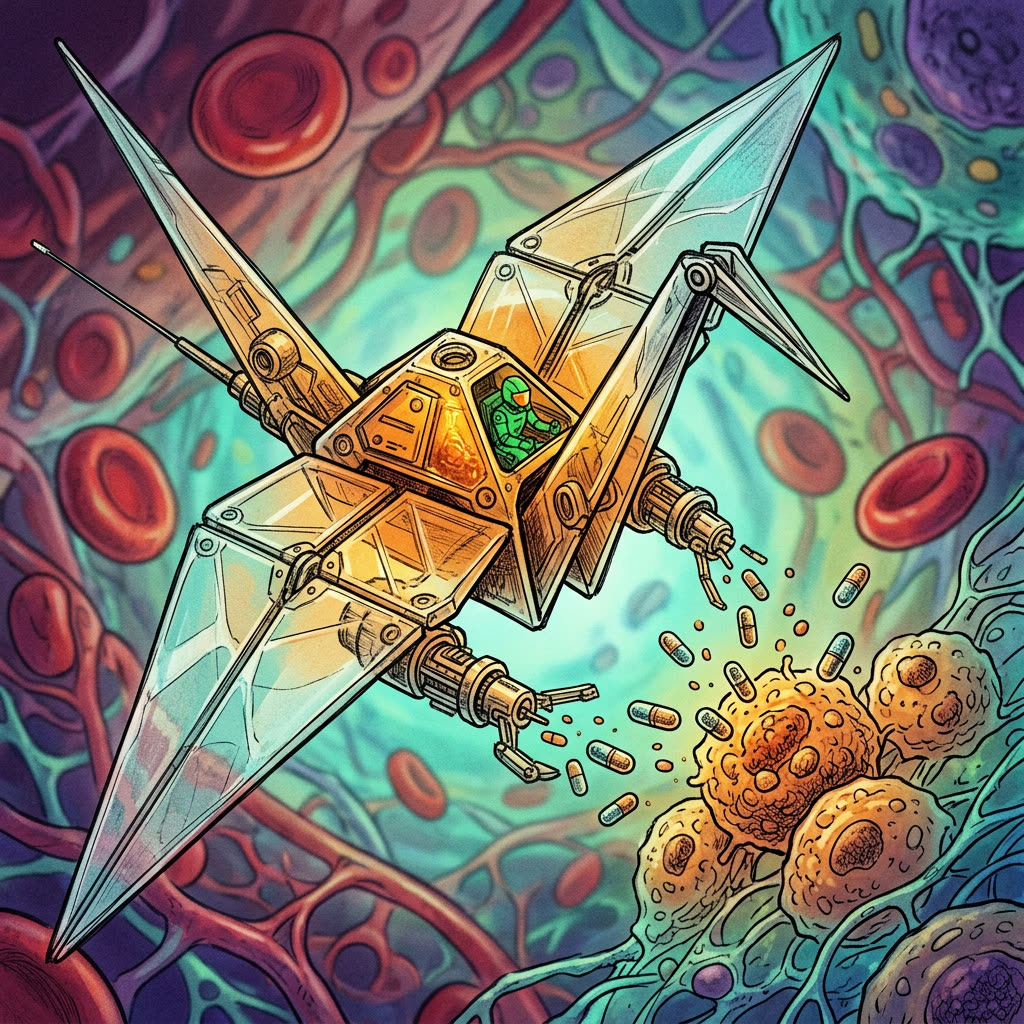
Stanford’s 2026 review reads like a sci-fi binge session, except this is lab-tested reality: DNA nanorobots are being programmed to deliver drugs or hunt down viruses cell-by-cell with surgical precision, while neuromorphic chips mimic the human brain’s learning power in ever-smaller, more energy-efficient packages. But the real showstopper is the rise of autonomous AI systems—think robots and virtual agents that not only answer questions, but actually perceive, decide, and act in real time.
And the numbers say it all. The autonomous mobile robot market is barreling towards a staggering $9.26 billion valuation by 2030 (doubling in five years!), and Robotics as a Service is already a $24.2 billion business. These aren’t just nice-to-have extras for big tech—they’re soon-to-be-ubiquitous tools slated for warehouses, hospitals, farms, and more.
DNA Robots and Autonomous Machines Reshape Work
Forget incremental upgrades—this is a leap. DNA robots could utterly transform medicine, promising not just personalized drugs but on-demand disease hunters operating inside our bodies. Meanwhile, in the nuts-and-bolts world of automation, robots that can plan and adapt without human babysitting mean new business models and an era of relentless efficiency. Everyone from logistics firms to telecoms giants is plotting deployments right now—RADCOM says a whopping 71% of network operators plan to roll out autonomous systems soon.
If you’re imagining this is just more gadgets, it’s not. We’re talking about fundamental shifts in who works, how goods move, and what it means to make decisions—both for companies and for individuals. These technologies won’t just save money or fix old problems; they’ll create whole new categories of work (and risk putting old ones out to pasture faster than anyone expects).
Barriers and Risks Facing New Technologies
Here’s where the hype gets a reality check. DNA robots sound miraculous, but the tech is still battling complexity, regulatory hurdles, and safety skepticism. Even once they beat clinical trials, who gets access? And with so much brainy automation, the fear isn’t only about job loss—it’s about decision-making opacity. If an autonomous agent makes a call—shutting down a network, changing a supply chain, or tweaking your medication—how do you know why?
Plus, there’s the arms race problem: today’s most advanced technology is tomorrow’s commodity, and what counts as innovative changes literally every quarter. Companies staking their future on bleeding-edge—and not just the latest technology—risk bets that won’t pay off or won’t scale. Blink once, and your “frontier” tech is last week’s has-been.
From Demos to Essential Infrastructure
Keep your eye on the transition from cool demo to must-have infrastructure. DNA nanotech and quantum-powered AI aren’t mainstream—yet. But watch for the first real patient trials, and for small language models that start appearing in everyday apps without the cloud price tag. The autonomous agent playbook is being written right now—track which industries move from testing to real-world, risk-bearing use, and who’s left behind.
Finally, the Stanford Review is the canary in the coal mine. When the brain trust says a shift is happening, business and regulators take note. Don’t just follow the headlines—look for the second-order effects: new regulations, weird partnerships, or entire jobs that didn’t exist last year. In 2026, tech’s wildest dreams are charging at us, contracts in hand. The only bad play? Standing still.