Biotech Dispatch
Agentic AI and DNA Robots: The 2026 Tech Tsunami Reshaping Reality
The Stanford Emerging Technology Review has dropped its 2026 edition and the headlines are wild: AI agents are no longer just helpful assistants—they’re taking control, while programmable DNA robots promise to rewire medicine at the molecule scale. The pace of innovation is red-lining, with what’s ‘state-of-the-art’ today almost guaranteed to be old news in six months. This is not tech nerd navel-gazing—these are genuine disruptions set to flip industries inside out.
Autonomous AI and DNA Robots Enter Real-World Use
Let’s get straight to the big reveals. Agentic and autonomous AI systems—the kind that can perceive, plan, and act without constant hand-holding—are breaking free from the sandbox. Stanford’s new review puts a spotlight on their looming impact: projected to jump from practically nowhere in 2024 to steering 15% of enterprise decisions by 2028. Combine that with early adopters boasting a dramatic 40-60% reduction in manual work, and it’s clear the robots are not coming—they’ve clocked in.
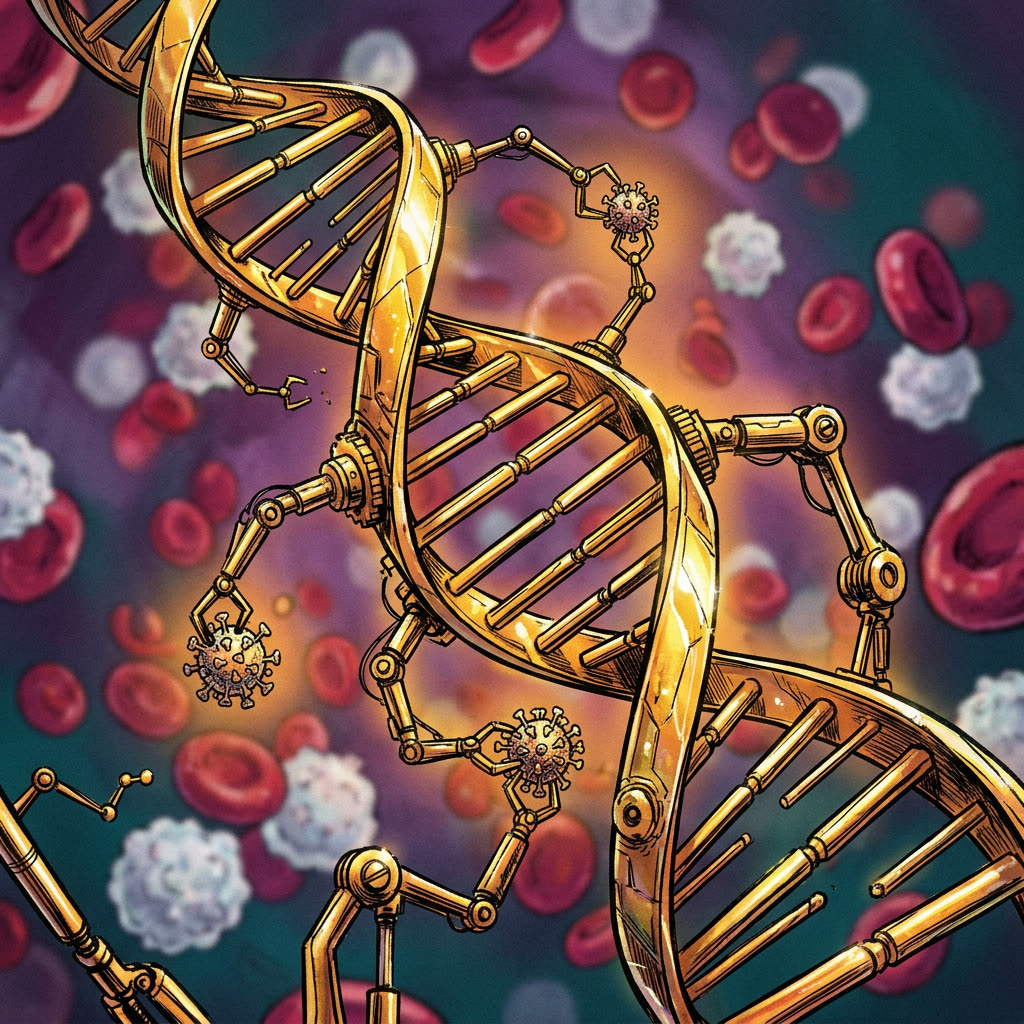
But the biomedical leap is even wilder. DNA robots, still mind-boggling in their implications, are moving from sci-fi pitches to real labs as programmable machines ready to hunt viruses or deliver drugs at the subcellular level. Think medical nanobots that can recognize and destroy rogue molecules before you even know you’re sick. Forget the hype—this is ground-level transformation.
Agentic AI and DNA Robots Redefining Work and Medicine
This isn’t just more automation or incremental improvement—it’s wholesale structural change. Agentic AI isn’t a snazzy chatbot; it’s software with agency, capable of executing projects, self-correcting, and making judgment calls faster and often more accurately than entire teams. This threatens to upend not just office work and administration, but also R&D cycles, network operations, and project planning on a planetary scale.
DNA robots, meanwhile, signal a looming revolution in personalized medicine and biotech. The possibility of autonomous molecular ‘doctors’ zipping through your bloodstream and adapting on the fly may change what it means to treat, cure, and even prevent illness. We’re entering a zone where the overlap between computation, biology, and automation creates a fertile chaos for new fortunes—and colossal risks.
Risks and Oversight for Emerging Technologies
Of course, this tech tidal wave is not all upside. With agentic AI taking the reins on real decisions, the challenge moves far beyond ensuring safety or transparency—it’s about trust, oversight, and avoiding the nightmare scenario of runaway automation making critical errors at scale. Early enterprise wins are real, but so are the calls for new guardrails as these systems interpret—sometimes reinterpret—the boundaries of their authority.
On the medical side, DNA robots have the sparkle of sci-fi, but testing, regulation, and public acceptance will be tortuous. Doubtless, the regulation ‘catch-up’ game will be messy as authorities scramble to keep pace with something that not only can cure, but might also be co-opted or weaponized if the wrong hands start tinkering at the genetic level.
Market Disruption and Early Adoption Signals
Watch the numbers. If agentic AI hits even half its projected adoption, expect explosive market rearrangements. Look for shakeups in sectors that rely on decision-heavy workflows—finance, logistics, law, and even creative industries. The race is now about who can build trust with these agentic systems fastest (and who survives the inevitable high-profile fumbles).
As for DNA robots, pay close attention to early clinical trials, regulatory whisperings, and pharma giants making partnerships or acquisitions. The first successful, widely-publicized use of programmable nanobots to treat a disease—and not just in mice—will mark a before/after line for biotech investing and public perception. The biggest winners? Savvy players who can ride both waves while dodging the coming storm of backlash and scrutiny.