Biotech Dispatch
Rise of Agentic Machines: How AI, Quantum, and DNA Robots Are Scrambling the Future
2026 is the year sci-fi dreams crossed over into boardroom reality. The collision of agentic AI, quantum systems, and programmable DNA robots is rewriting not just what’s possible in tech, but how quickly the world changes—and who controls the levers. We’re deep into uncharted territory, and the competitive map is flipping faster than even the veterans can track.
Agentic AI and Robotics Transform Industries
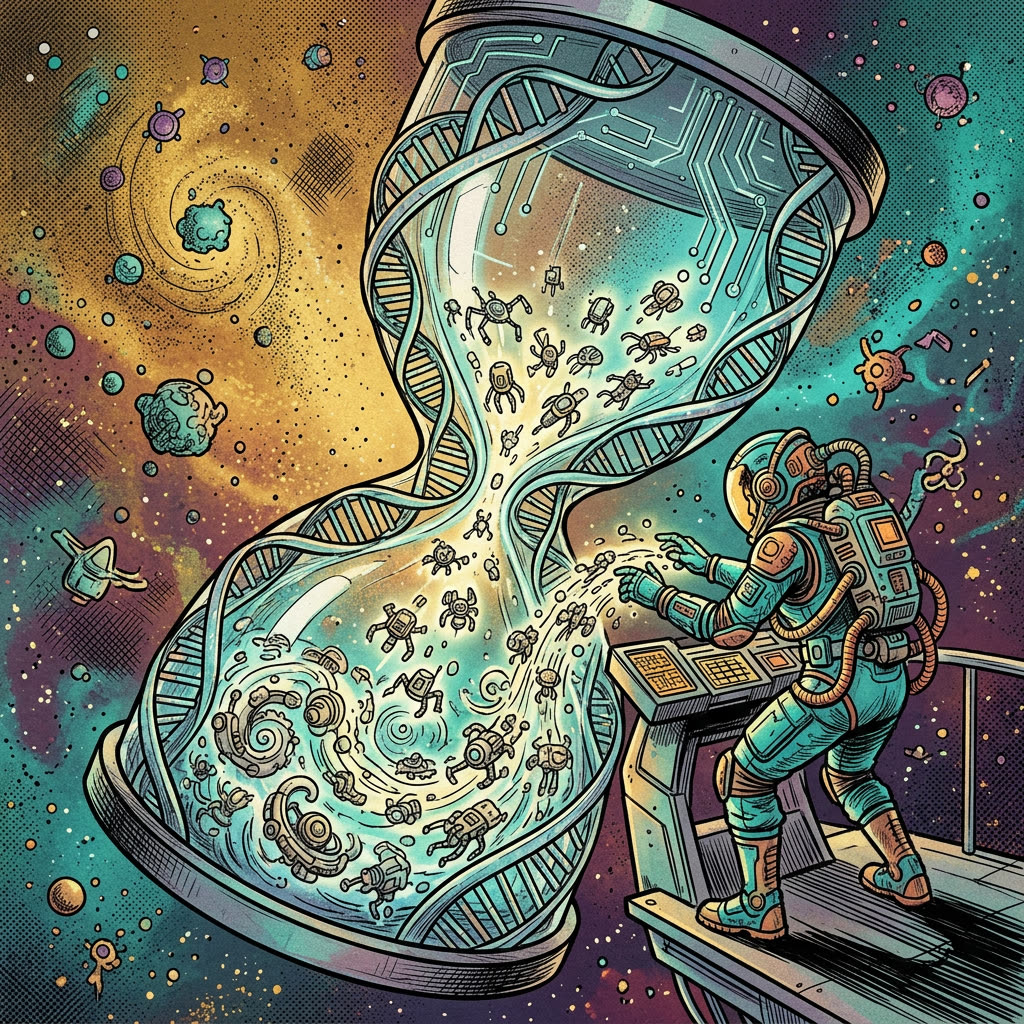
Let’s not sugarcoat it: the age of agentic technology is here, and it’s moving at breakneck speed. Agentic AI—meaning, yes, AI that perceives, plans, and acts on its own—has started running the show. As highlighted by NVIDIA’s declaration at CES 2026, robotics just had its 'ChatGPT moment.' Algorithms are now powering machines that physically interact with the world, solving problems and anticipating issues before humans do. But it doesn’t stop at robot arms and factory floors. DNA robots, programmable at the molecular level, are now viable for medical missions inside the human body, targeting viruses and delivering drugs that only a few years ago sounded like magic. Quantum systems, meanwhile, are tackling calculations at speeds that leave classical supercomputers gasping for air. Every corner of tech, from logistics and agriculture to healthcare and customer service, is being rewired by these converging advances.
Disrupting Industries and Power Structures
This isn’t incremental progress—it’s a fundamental rearrangement of power structures, investment priorities, and business models. Consider this: McKinsey projects at least 15% of everyday work decisions will be made autonomously by 2028. The implications for productivity, employment, and competitive advantage are staggering. Companies that harness AI-powered agents or quantum-enhanced systems aren’t just cutting costs—they’re inventing new markets, squashing old ones, and setting the new rules. Meanwhile, health and biotech are about to go through a Cambrian explosion. DNA robots can hunt viruses in real time, possibly ending experiences like long hospital stays for complex drug infusions. For investors and executives, this is a rare reshuffle of the deck: early movers could win big, but laggards may vanish before they know what hit them.
Escalating Risks and Ethical Dilemmas
With this much technological firepower emerging all at once, the risks grow alongside the opportunities. Increased autonomy means less human oversight—excellent when robots preemptively fix network outages, but dicey when AI-powered bots misinterpret context or make unreviewed decisions. Security concerns around quantum computing—imagine encrypted data cracked in seconds—are very real, and organizations broadly aren’t ready. Ethically, programmable DNA raises all the classic specters: privacy, consent, the potential for bioterror. We’re racing toward an era where the boundary between software bugs and life-and-death medical outcomes is razor-thin. And while productivity will spike, the pace of change threatens to leave a swath of workers and legacy businesses behind, with little time to adapt.
Imminent Shifts in Automation and Industry
Eyes peeled for the following: first, pay close attention to agentic AI’s leap from digital helpdesk duty to running logistics, retail, and even high-level service operations. Pilot programs are already showing AIs that act without waiting for human instructions. Next, DNA-based nanobots are preparing for human trials—expect pharmaceutical giants to jockey for the first clinical success and regulatory green light. And don’t sleep on quantum: as cloud-based quantum services accelerate, expect whole industries—especially those reliant on optimization or complex modeling—to be disrupted practically overnight. Finally, the fusion of AI and edge computing (with 6G on the horizon) means robots, drones, and sensors will process and act on data in near real time, wherever they operate. The rule for 2026 and beyond: if you think a tool or process is safe from automation, it may not be—so start planning accordingly.