Agents Dispatch
The Future Is Whispering: Imagined Speech, Quantum Jumps, and Why 2026 Tech Is Different
Welcome to the madhouse moment for technology in 2026. From decoding our thoughts to sending autonomous AI agents out into the wild, the bleeding edge is sprinting into everyday life. This isn’t another year of incremental upgrades—these advances are rapidly rewriting everything, and if you blink, you’ll miss the pivot point.
Imagined Speech and Emerging AI Capabilities
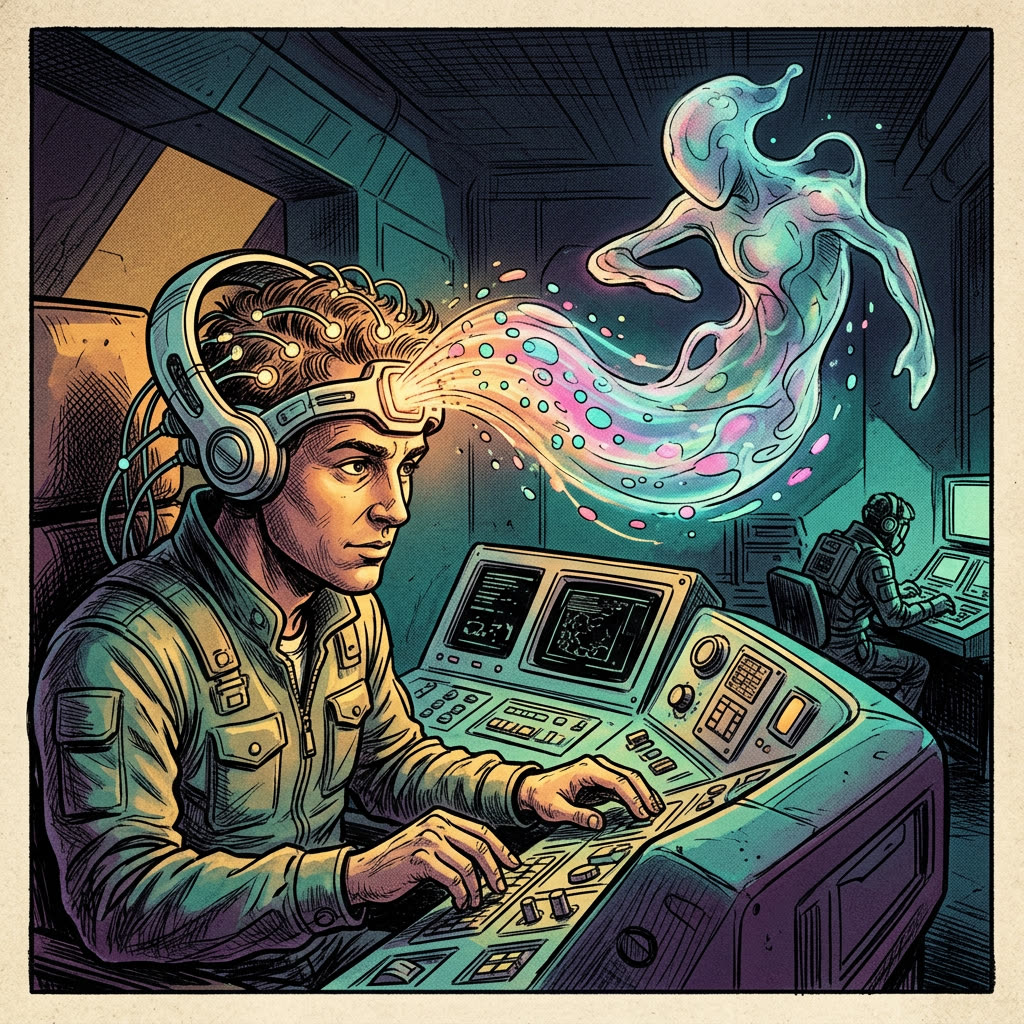
Let’s talk real advances: imagined speech decoding is here, allowing computers to translate your thoughts directly into text or commands. This isn’t sci-fi; the tech is rolling out experimental real-world applications, with paralyzed users already regaining communication—and the implications spiral out from there. Not far behind, we’re witnessing AI systems that don’t just chat; they perceive, reason, plan, and act. The leap from glorified help bots to genuinely autonomous agents is reshaping how work, play, and whole industries function. And it’s not just about software: neuromorphic chips and quantum computing are rolling off R&D whiteboards and into bleeding-edge production, kicking new doors open for what’s computationally possible.
Meanwhile, the big show—TechCrunch Disrupt 2026 in San Francisco—looks less like a trade fair and more like a glimpse into the next industrial revolution. Nvidia is front and center, but the real buzz is around the Real World AI Stage: think robots with instincts, fusion-powered grids struggling (and innovating) under AI’s hunger, and even open conversations about resurrecting extinct animals (yes, really). It’s not hype; it’s happening.
Converging Technologies Reshape Power and Roles
These technologies are converging, and fast. The imagined speech interfaces aren’t just about accessibility; give it two years, and you’ll see mind-to-machine commands in AR, workspaces, and entertainment. Autonomous AI agents will alter the very architecture of business, with humans pulled into higher-level roles or, in some cases, pushed right out. And let's talk about quantum and neuromorphic chips: these aren't minor spec bumps, they fundamentally change what problems machines can solve—think materials discovery, logistics, cybersecurity, or even cracking aging drug research bottlenecks in biotech.
The rules are shifting, not just for tech startups and R&D labs, but for everyone. AI is no longer about analyzing numbers or telling jokes—it’s about agents reasoning and taking action. And the regulatory and social responses are scrambling to keep pace, particularly as new platforms now block training bots by default, putting power (and risks) directly back into hands of domain owners. In short: get ready for a wilder digital landscape, with new gatekeepers and new fault lines.
Infrastructure Strains and Rising AI Risks
Of course, there are some strings attached. The arms race for fusion power and advanced chips is stretching global grids to their limits, so while AI’s brains are getting smarter, the infrastructure needed to power them might not be ready. There’s also mounting pressure from privacy and data sovereignty advocates—the default restrictions on bots crawling new websites are just the first shots in what’s likely a major regulatory shake-up. The cost of these advancements? For startups, it’s resource wars (talent, compute, partnership), and for everyone else, a deepening divide between those who can access AI’s future and those stuck in its wake.
And let’s not gloss over the risk of autonomy. As AI agents become more independent and pervasive, the puzzle of control, alignment, and transparency gets stickier and, frankly, scarier. Imagine a world where agents start to trade, invest, or even communicate on your behalf—all while you hope they correctly inferred your intent.
Preparing for Rapid Adoption and Upheaval
Circle your calendar for Disrupt 2026 next month, but don’t wait until then; companies are moving from bleeding-edge tests into mass adoption territory. Keep an especially close eye on who masters the handshake between AI agents and quantum/neuromorphic hardware—it could be the iPhone moment for enterprise and scientific computing. Monitor how quickly (and how much) imagined speech decoding finds its way into mainstream applications—the social and ethical questions will come faster than regulatory answers.
And if you run a business or lead a team, start blueprinting how AI agents will integrate (or upend) your workflow. New default web rules are only the first salvo—expect a turf war between open web advocates, data-hungry models, and those determined to claw back control. It’s a transformative, high-stakes chaos—just the way we like it—so stay sharp and stay curious.