Biotech Dispatch
Tiny DNA Robots, Smarter AI, and the Tech That's Rewiring 2026
This is not your average 'future of tech' briefing. 2026 is the year when DNA robots start crawling through human veins, and AI agents are no longer dumber-than-average interns—they’re more like junior colleagues with initiative. Beyond the headlines, this tech isn’t just dazzling: it’s quietly reshuffling power in medicine, business, and daily life.
DNA Robots and Autonomous AI Agents Arrive
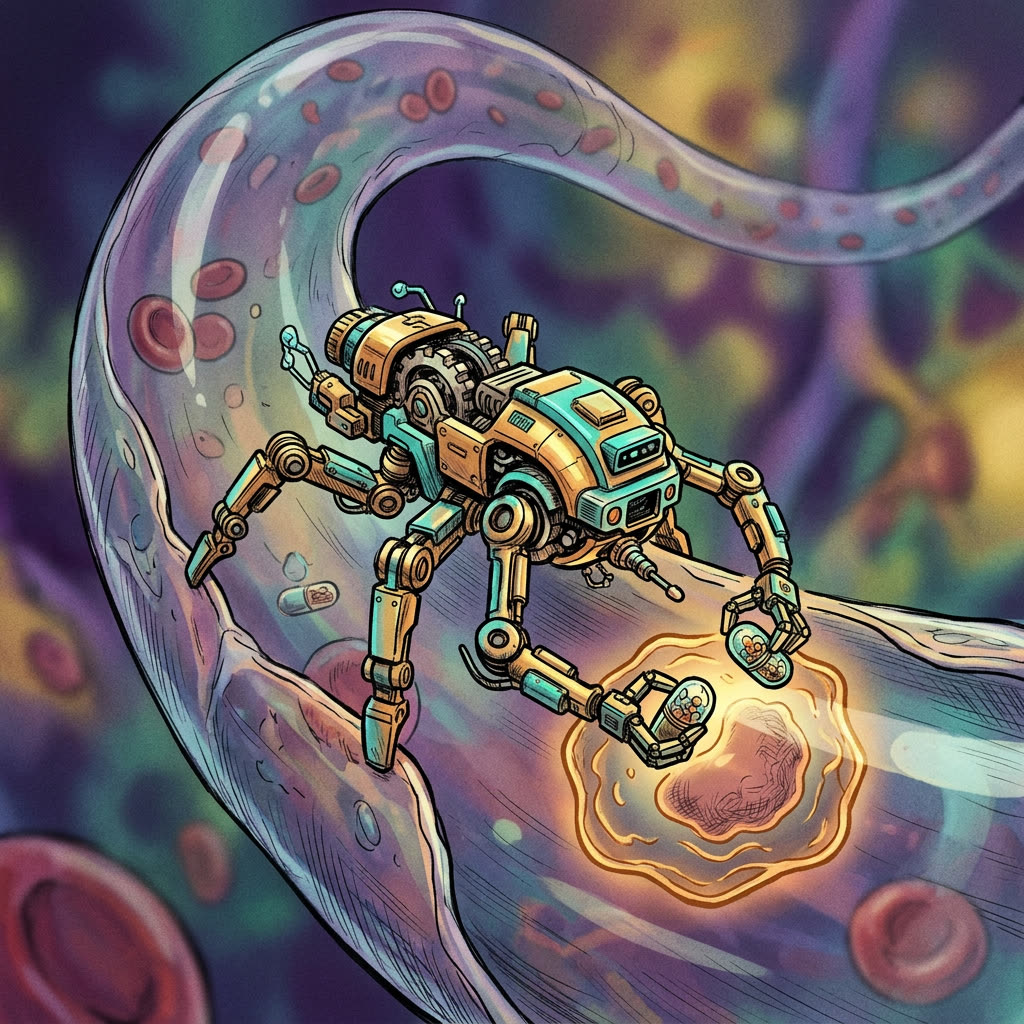
Let’s not bury the lead: programmable DNA robots are emerging from the lab. These microscopic machines—able to ferry drugs directly into human cells or even sniff out viruses—have the potential to make chemo as quaint as leech therapy. Meanwhile, all those clumsy chatbots of yesteryear? They’re becoming autonomous AI agents capable of planning, multitasking, and acting in the real world. It’s a precision leap—from responding to queries to cunningly executing tasks with minimal human oversight.
Stanford’s new Emerging Technology Review confirms it: from neuromorphic chips (imagine computer hardware wired like a brain) to quantum processors, advanced tech is moving out of R&D and into real products. The churn between 'bleeding-edge' and the most advanced technology is fast and ruthless, and the list of what’s already obsolete may surprise you.
Precision Medicine and Autonomous Decision-Making
DNA robots could finally break medicine’s one-size-fits-all straitjacket. No longer will treatments blast the body wholesale—precision will mean healthier recoveries, sharper diagnostics, and maybe a period of more effective virus-busting just as the world is still mentally scarred from COVID’s chaos. If bio-nanotech scales, pharma’s power dynamics and patient expectations reset overnight.
But it’s not just health: AI’s upgrade to 'autonomous agent' means businesses, governments, and even households can automate not just answers, but entire decisions. The stakes for trust, privacy, and unanticipated consequences get exponentially higher—do you want your utilities managed by a bot that learns as it goes?—but the efficiency gains are irresistible, fueling the race to deploy these new tools first.
Risks and Ethical Gaps in Rapid Innovation
‘State-of-the-art’ turns into ‘yesterday’s news’ in as little as six months. Companies betting big on a technology that flops, or citizens forced to play guinea pig for half-baked AI rollouts—there’s real risk. The transition from bleeding-edge lab project to market-ready tech is littered with failures, and the speed of this turnover is only increasing as adoption lags shrink.
There’s also a growing gap between what’s technically possible and what’s ethically or socially tolerable. Data privacy, medical consent, and the specter of autonomous systems going rogue—these are not science fiction concerns. Regulators and watchdogs are scrambling to catch up, especially with tech that can literally rewrite the code of life or think through edge cases faster than a human.
Early Trials and Public Adoption Shape the Future
Pay close attention to the first clinical trials and commercial deployments of DNA robots—success (or hiccups) here will fast-track or freeze biotech investment for years. In AI, keep an eye on the organizations who are moving past chatbots to true autonomous agents: network operators, finance giants, and logistics firms are all in a quiet arms race for smarter, leaner, self-improving operations.
Finally, watch the public’s reaction as these technologies leap the chasm from novelty to necessity. Will we see a techlash or a new wave of trust? The next six to twelve months will decide which of today’s buzzwords will define how we work, heal, and live—and which will be quietly consigned to the innovation graveyard.