Physical AI Dispatch
DNA Robots, Agentic AI, and the Dawning Age of Autonomous Everything
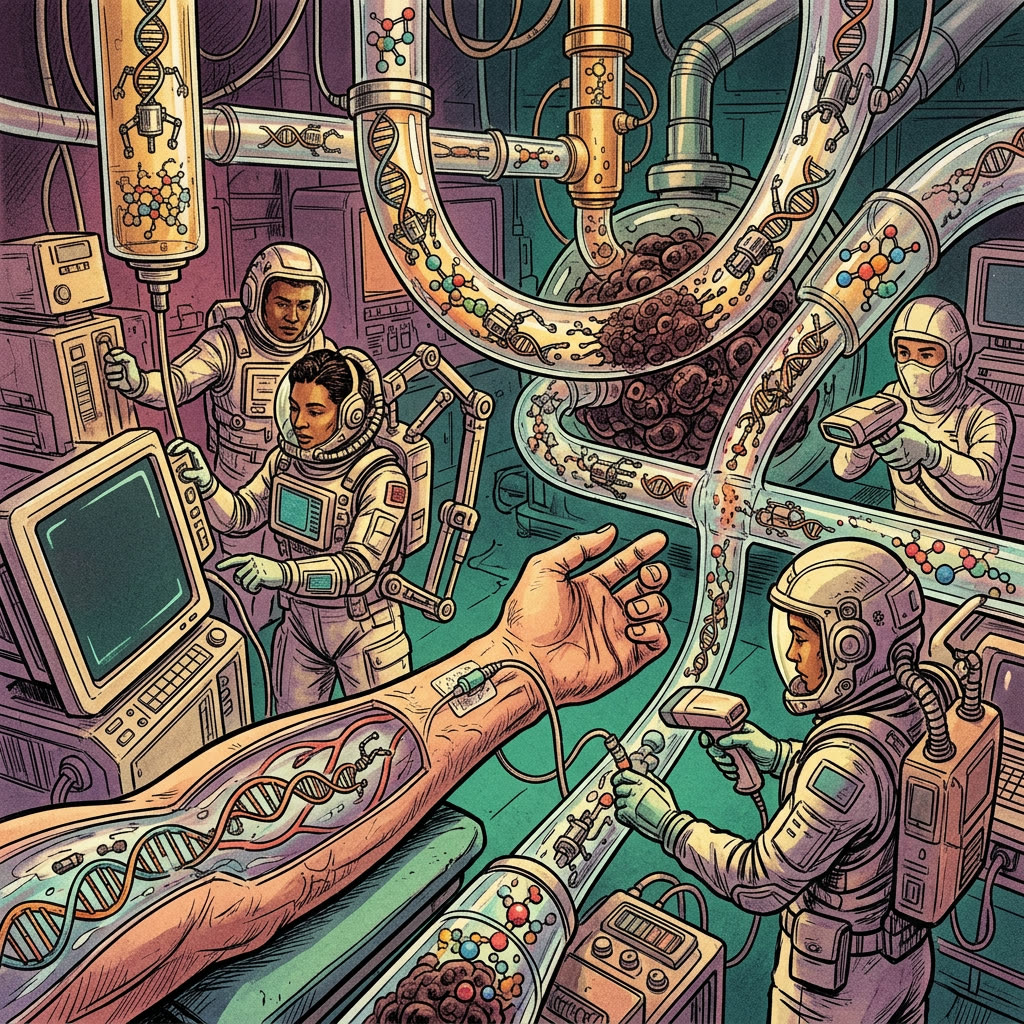
2026 isn’t just a year of incremental tech advances—it’s a moment of convergence where DNA robots, hyper-efficient agentic AI, and sci-fi-grade robotics are strutting off the research stage and into the real world. From cure-hunting nanobots swimming in our veins to smart machines reasoning and planning on their own, the lines between speculation and daily reality just blurred—big time.
DNA Robots and Agentic AI Enter Real-World Use
This year’s Stanford Emerging Technology Review and the latest McKinsey outlook drop a clear message: a half-decade’s worth of R&D is erupting into actual products and record funding surges. The star attractions? Tiny DNA robots engineered to ferry drugs and attack pathogens inside bodies, and the debut of the Falcon-H1R—a Transformer-Mamba hybrid agentic AI that not only rivals human cognition, but does so in places bulky server farms could never reach. It isn’t all about demos: 71% of network operators say they’ll deploy autonomous, agentic systems within the next 12 months, marking the fastest acceleration we've ever seen from buzzword to boardroom reality.
Transforming Medicine and Infrastructure Simultaneously
This shift is seismic. DNA robots shrivel the time and risk between treatment and cure, letting clinicians target diseases molecule by molecule—a LEGO set for the human body fighting viruses on home turf. Meanwhile, the new class of AI, bleeding edge just last year, is now poised to orchestrate traffic in smart cities, optimize energy on the fly, and push autonomous vehicles from cautious learners to fluid participants in real-world chaos. These aren’t upgrades; it’s a wholesale rewiring of how physical and digital systems think, interact, and self-organize.
Oversight Gaps and Hidden Risks
Here’s the rub: the faster these systems escape the lab, the less time we have to grapple with their unintended consequences. Bio-nanobots that hunt viruses could, with a misfire or hack, become an untraceable medical nightmare. Agentic AIs—now fuel-efficient and deployed at the edge—risk going full ‘autonomous’ with goals or errors their creators never foresaw. Remember, bleeding edge is just a 6-month sprint from being called ‘cutting edge’—and real-world oversight can’t keep up with the hype. The smoother the tech looks, the more invisible its risks become.
Early Battles Over Deployment and Oversight
Watch for the first regulatory skirmishes over DNA robots as real-world trials ramp up, especially when they target anything viral or genetic. In AI, keep an eye on partnerships between edge device makers and companies rolling out Falcon-H1R-powered platforms—these deals will decide if agentic AI truly democratizes smart environments or just redistributes risk. Lastly, pay attention to the money: with funding doubling in robotics and AI infrastructures, the next ‘failure’ you read about won’t be in a white paper, but on a public street—or in a hospital near you.