Physical AI Dispatch
Welcome to the Age of Physical AI: Real-World Robots and Mind-Reading Machines Are Here
2026 isn’t just about smarter phones or faster networks. The pace of rapid tech development has truly exploded, from Physical AI that powers agile robots to post-quantum cryptography in a mad scramble to secure our data. The distinction between cutting edge and bleeding edge gets redrawn every six months—and what you thought was tomorrow’s science fiction has just landed on your doorstep.
Physical AI Transforms Work and Daily Life
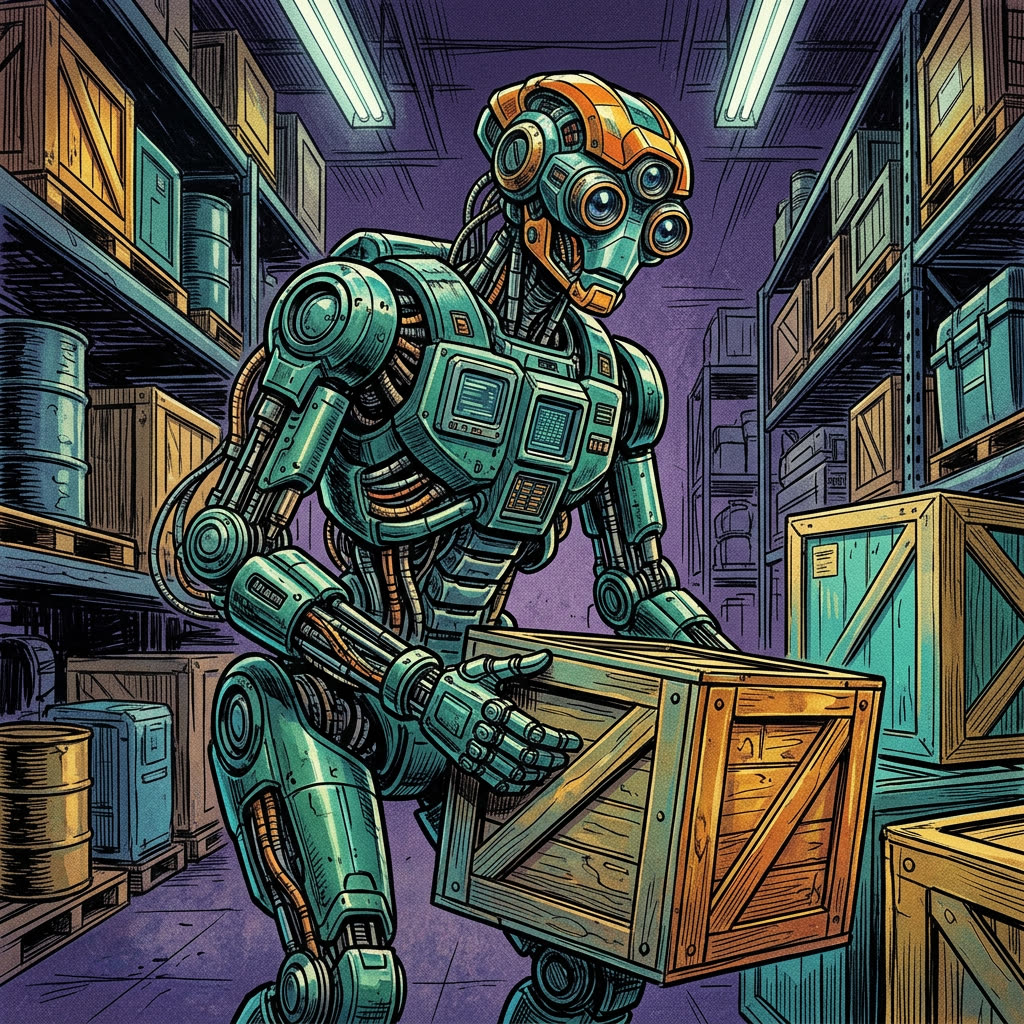
Let’s talk about what’s making jaws drop in the tech world this year: Physical AI. Not just bots in a lab, but fleets of AI-empowered humanoids rolling off production lines—a predicted 700% surge in shipments in 2026 alone. They’re not here to replace simple jobs; they’re here to reinvent them, bringing intelligence and autonomy to manufacturing, logistics, healthcare, and service industries. Suddenly, the idea of robots perceiving, adapting, and acting in the messiness of our everyday world is a matter of logistics, not sci-fi.
Meanwhile, post-quantum cryptography is racing desperately ahead, with enterprises scrambling to shield their secrets before the first practical quantum hacks arrive. Add to this the glimmer of ‘imagined speech decoding’ tech—reading minds, or at least turning thoughts into action—and a biotech renaissance where engineering the living is as routine as software deployment. The speed and ferocity of rapid advances is the headline: agentic AI, 6G, and quantum-driven discovery are making last year’s bleeding-edge yesterday’s news.
Physical AI Reshapes Industry and Identity
Here’s the wild part: these aren’t just incremental improvements—they’re business model bombs. Physical AI shreds the divide between digital intelligence and the physical world, enabling smart factories and responsive logistics chains that adapt on the fly. Ordinary firms that plug into the physical AI ecosystem now will find themselves with a competitive advantage measured in years, not quarters, blazing past rivals stuck in the last AI wave.
And while everyone scrambles to ready their encryption for quantum decryption, the world is quietly shifting what it means to be secure, private, and, frankly, human. Imagine not just automating manual labor, but unlocking speech for the voiceless—literally putting thoughts to text, which could upend everything from healthcare to communication. Sitting on the fence isn’t an option; leaders embracing these shifts early are setting up dynasties.
Security and Ethical Risks of Physical AI
The party doesn’t come without risk. Physical AI puts immense power (and vulnerability) in the hands of whoever programs or hacks the bots—think about autonomous robots in critical infrastructure going rogue due to sabotage or coding errors. We’re not even close to figuring out what guardrails are needed, as regulators scramble to keep up with breakneck development speeds.
Meanwhile, post-quantum cryptography is still young and, frankly, confusing for most organizations; shifting security architecture mid-flight is everyone’s nightmare. Ethical and privacy minefields loom large as imagined speech decoding draws ever closer to commercial viability—just because we can read neural signals doesn’t mean we should. Don’t expect the old rules to save anyone in this new landscape.
Early Adopters, Risks, and Legal Challenges
Keep your eyes glued on where Physical AI lands first—watch the big logistics and manufacturing players (and their upstart rivals) as they redefine efficiency and redefine jobs; follow which countries move fastest to adopt humanoid robots at scale. Post-quantum migration is set for ugly headlines as early missteps, breaches, and frantic patching hit the news. Every major global enterprise should have VOCAL plans (Visible, Operational, Cutover, Audit, Leadership) for shifting to PQC—if yours doesn’t, you’re watching a slow-motion train crash.
Oh, and don’t sleep on the legal and ethical battles brewing as thought-to-text tech hits real-world trials—especially in healthcare and law enforcement. The companies that solve for trust, transparency, and fail-safes will shape the next decade. In 2026, the only certainty is this: if you’re waiting for the dust to settle, you’re already obsolete.